A table, not just a dish
Rice & curry
Rice with several vegetable, lentil, fish or meat preparations. Taste each separately, then discover how their flavours work together.
 SMART HOLIDAYTAILOR-MADE SRI LANKALet’s plan your trip
 OUR CULTURE · A LIVING ISLAND STORY
Get to know Sri Lanka through the food we share, the things we make and the moments we celebrate. Take your time. There is a story in every small detail.
Begin with a taste of the island ↓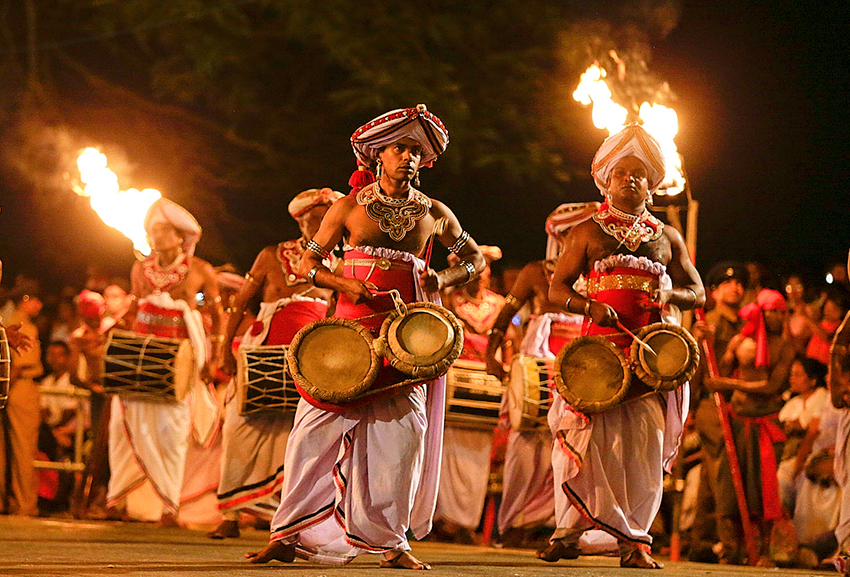
MANY VOICES. A SHARED ISLAND.
Sri Lanka is home to many communities, languages and beliefs. Sinhala, Tamil, Muslim, Burgher, Malay and other traditions have all helped shape its food and cultural life. A meal in the north may feel different from one on the southern coast—and that variety is part of the pleasure.
This is an invitation to explore, rather than a single definition of how everyone lives. Family recipes, religious practices and ways of celebrating vary from place to place.
01 / THE SRI LANKAN TABLE
Coconut, rice, fragrant leaves and carefully balanced spices appear in countless combinations. Heat is only one part of the flavour: look for sourness, sweetness, fragrance and texture too.
A table, not just a dish
Rice with several vegetable, lentil, fish or meat preparations. Taste each separately, then discover how their flavours work together.
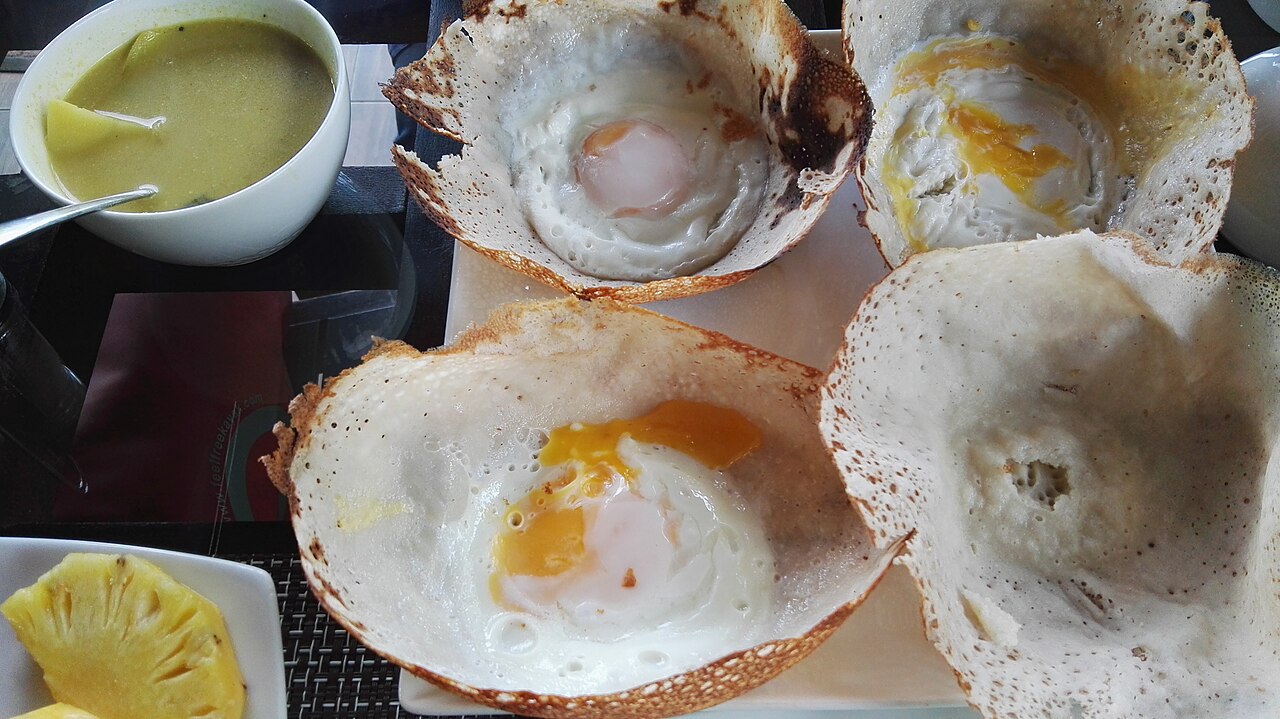
Crisp edges, soft centres
Bowl-shaped pancakes made with a fermented batter, often based on rice flour and coconut milk. Egg hoppers cook an egg in the centre.
Delicate nests of rice noodles
Steamed strands served with accompaniments such as coconut gravy, dhal and sambol. A lovely introduction to a Sri Lankan breakfast.
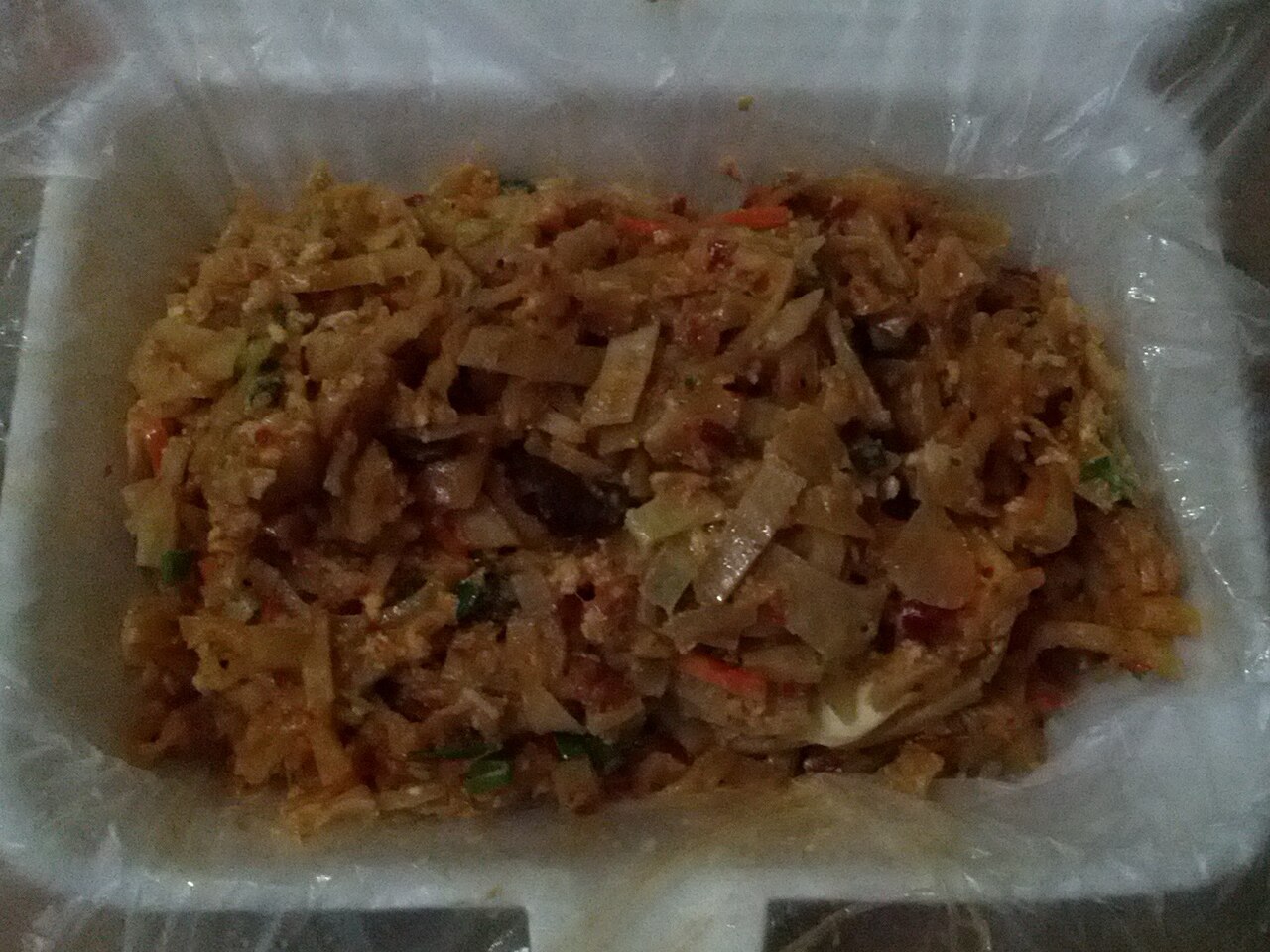
The sound of supper
Chopped roti tossed on a hot griddle with vegetables and a choice of additions. The rhythmic chopping is part of its street-food appeal.
Coconut, two ways
Rustic coconut flatbreads beside a fresh relish of coconut, chilli, onion and lime. Recipes and chilli levels vary from kitchen to kitchen.
Steamed, softly crumbly
Flour and grated coconut are moistened into crumbs and steamed, traditionally in a cylindrical mould. Enjoy with coconut milk or curry.
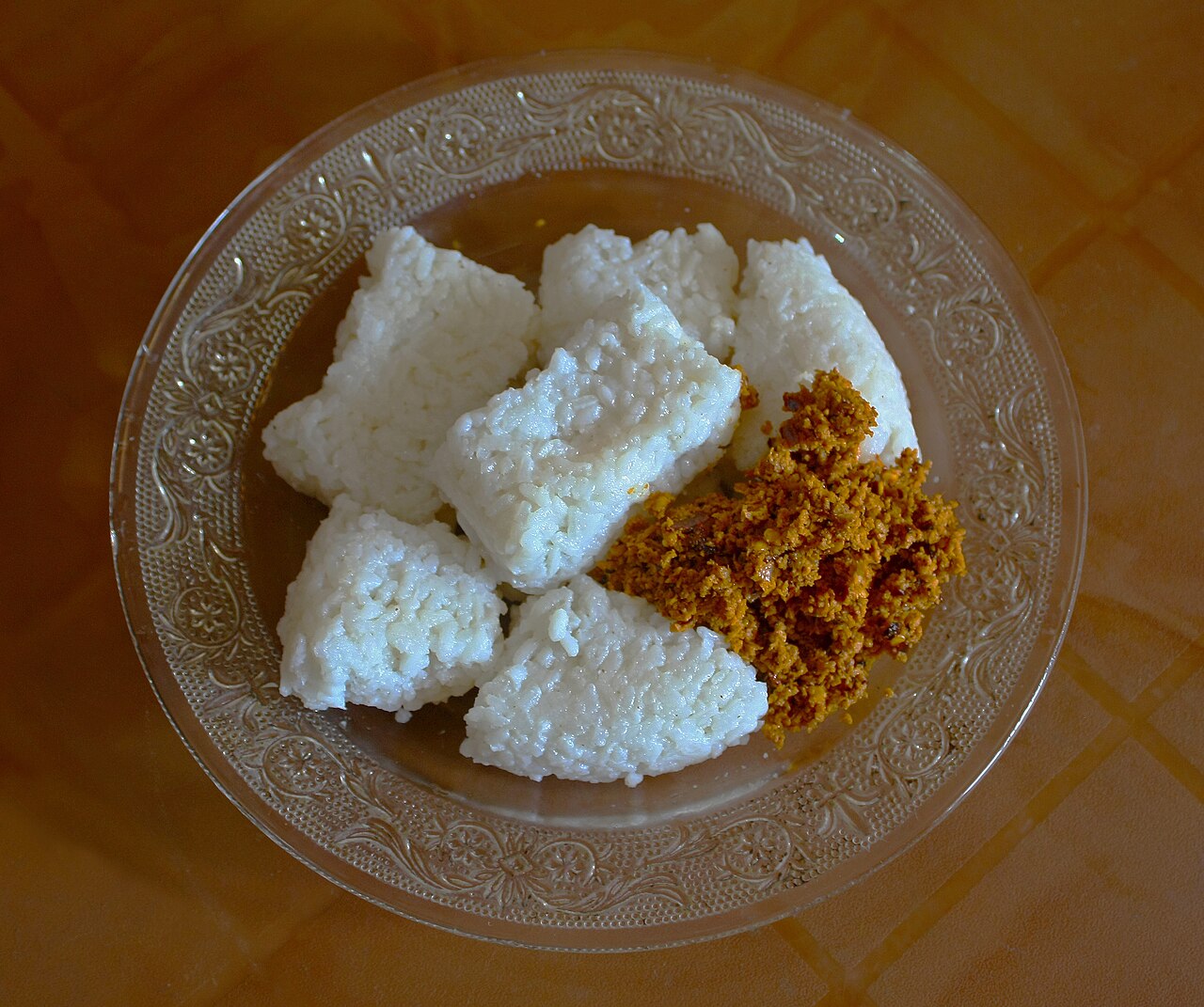
Food for a fresh beginning
Rice cooked with coconut milk, then shaped and cut. Often associated with auspicious occasions and shared family celebrations.
A parcel with a story
Rice and carefully prepared accompaniments wrapped in banana leaf, associated with the island’s Burgher culinary traditions.
Deep, tangy flavour
A comparatively dry fish preparation associated with the south, often flavoured with goraka. Ask your host about their family’s version.
A generous vegetarian tradition
Young jackfruit can become a richly spiced curry. Alongside lentils and vegetables, it shows how varied a plant-focused meal can be.
A gently spiced finish
A rich pudding commonly made with coconut milk, eggs and jaggery. It has a special place in Sri Lankan Muslim food traditions.
The celebration table
Crisp kokis and sweet oil cakes are among the treats shared at New Year. A small plate can hold a great deal of family history.
Explore more: Sri Lanka Tourism’s food guide ↗
Ceylon tea invites you to pause, whether you enjoy it plain or with milk. King coconut is a familiar roadside refreshment. Fresh fruit drinks, ginger flavours and a little jaggery alongside tea offer other ways to taste the island. Ask what is seasonal and how your drink is prepared.
Eating preferences? Ask about ingredients: a vegetable dish may still contain dried fish, and sweets can contain milk, eggs or nuts. Tell your host about allergies before cooking begins.
02 / FROM MARKET TO MEAL
Start with the ingredients. Watch how curry leaves meet warm oil, how coconut softens a sauce and how a final squeeze of lime changes a dish. These simple home-style guides are starting points; every cook has their own way.
For a small bowl: 1 cup freshly grated coconut, ½ small red onion finely chopped, ½–1 tsp chilli flakes, juice of ½ lime and salt to taste.
Some households add Maldive fish. Leave it out for a vegetarian version.
For about 6 small roti: 2 cups plain flour, 1 cup grated coconut, ½ tsp salt and about ¾ cup water, added gradually. Optional: finely chopped onion and green chilli.
Serve warm with sambol or a curry. Flour and coconut moisture affect how much water you need.
For 3–4 side portions: 1 cup red lentils, ½ onion sliced, 2 garlic cloves, ¼ tsp turmeric, 1½ cups water, ½ cup coconut milk and salt. Optional: curry leaves and a little chilli.
Enjoy with rice or roti. This is a simple home-style version, not a single definitive recipe.
Learn the names of unfamiliar vegetables, smell the spices and ask what is in season.
Make a small selection of dishes and understand the choices behind the flavours.
Share the meal and the conversation. Often, this is the part you remember most.
03 / MOMENTS THAT BRING US TOGETHER
Some celebrations fill the streets; others unfold around a family table. Come with curiosity and remember that you are being welcomed into something meaningful.
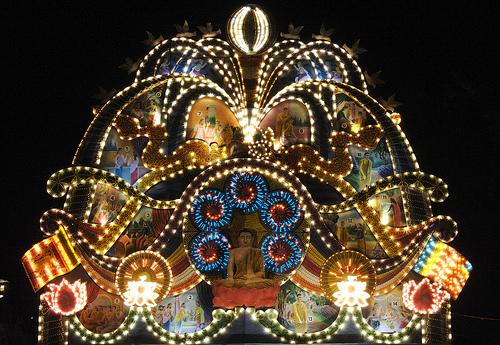
JANUARY
A Tamil Hindu harvest celebration centred on gratitude, family and a pot of sweet pongal. Kolam designs and home rituals give the occasion its intimate beauty.
APRIL
A season of visiting relatives, sharing sweetmeats and beginning again. Auspicious times, games and family customs are part of many celebrations.
FULL-MOON OBSERVANCE
Vesak brings lanterns, devotional displays and acts of generosity. Poson is especially associated with the arrival of Buddhism, with Anuradhapura and Mihintale important centres of observance.
PROCESSION SEASON
Drumming, dance, dress and devotion come together in processions such as those in Kandy and Kataragama. These are living religious events, not simply performances for visitors.
LUNAR CALENDAR
For Muslim communities, Ramadan is a period of fasting, reflection and generosity; Eid al-Fitr marks its conclusion with prayer and shared celebration.
LATER IN THE YEAR
Deepavali brings light and celebration to Hindu households; Christmas is marked by Christian worship, family gatherings and festive food. Customs differ between communities and homes.
Festival dates and public access can change each year. Confirm arrangements for your travel dates; private family rituals are only for visitors when a host invites them.
Read about island celebrations ↗
Weddings, housewarmings and other family milestones have their own foods, dress and rituals. There is no single Sri Lankan wedding: customs differ between religions and communities. If you are invited to a personal occasion, ask your host about clothing, gifts and photography rather than assuming one rule fits all.
04 / MADE, PLAYED & PASSED ON
Kandyan, low-country and Sabaragamuwa traditions have distinct movement, dress and musical settings. A staged performance can be an introduction, while ritual practices belong to particular communities and occasions.
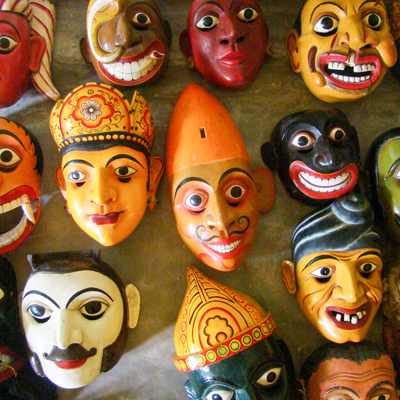
In and around Ambalangoda, masks connect artistry with performance traditions. Ask a maker about the character, wood and painting process; a mask has more to tell than its colours alone.
Dumbara Ratā Kalāla is a tradition of patterned, handmade mats. The craft carries knowledge about preparing fibres and forming designs—skills preserved through making and teaching.
Rūkada Nātya brings carved puppets to life through movement, voice and music. This southern Sri Lankan performance tradition is recognised by UNESCO as intangible cultural heritage.
Wax-resist dyeing creates batik’s distinctive patterns; handloom cloth grows slowly on a loom. Look closely at the process and choose a piece for the maker’s work as well as its appearance.
A cooking pot, a lamp or a woven basket can hold as much cultural meaning as a display piece. Visiting a workshop offers a chance to see the skill in familiar forms.
Further reading: UNESCO on Rūkada Nātya · Sri Lanka’s living heritage
05 / SMALL MOMENTS, LASTING MEMORIES
“Ayubowan” in Sinhala and “Vanakkam” in Tamil are two greetings you may hear. A smile and an interest in how someone prefers to be addressed go a long way.
Some people eat with the right hand; cutlery is also common. Follow your host’s lead, wash your hands and feel comfortable asking for what you need.
Saris, osariya, sarongs and other forms of dress appear alongside contemporary clothing. What people wear depends on the person, place and occasion.
A quiet conversation, a neighbourhood bakery or a cup of tea with a host can be as memorable as a major cultural attraction.
06 / GOOD GUESTS MAKE GOOD CONNECTIONS
Dress modestly, follow signs and remove shoes where requested. Ask about photography and respect areas reserved for worship.
Ask people first, particularly during rituals and private occasions. A polite refusal is a complete answer.
Value the time behind the demonstration. Ask before touching tools or work in progress, and buy directly when you find something you love.
Allow time for conversation. Choose small, respectful visits and let hosts explain what they are comfortable sharing.
MAKE IT PART OF YOUR JOURNEY
A morning in a kitchen. An afternoon with a craftsperson. A festival seen with local understanding. Tell us what interests you and we’ll discuss what is possible for your visit.
Plan a cultural experience ↗Find your places ↗Editorial references: Sri Lanka Tourism — food, festivals, and UNESCO living heritage. Recipes are introductory home-style suggestions; practices vary between households.
Egg hoppers sri Lanka.jpg — Z thomas · CC BY-SA 3.0
Kiribath.jpg — AntanO · CC BY-SA 4.0
Kottu Roti.jpg — Chamal N · CC BY-SA 3.0
Kokis.JPG — Chamal N · CC BY-SA 3.0
Cup of black tea.JPG — AntanO · CC BY-SA 4.0
Kolam Pongal ThiruViKa Uthandi Jan23 A7C 04890.jpg — This Photo was taken by Timothy A. Gonsalves. Feel free to use my photos, but please mention me as the author. I would much appreciate if you send me an email tagooty@yahoo.com or write on my talk page, for my information. Please contact me before commercial use. Please do not upload an edited image here without consulting me. I would like to make corrections only at my own source to ensure that the changes improve the image and are preserved.Otherwise you may upload an edited image with a new name. Please use one of the templates derivative or extract. · CC BY-SA 4.0
Vesak in SriLanka.jpg — Shehal at English Wikipedia - Shehal Joseph URL: http://kanabona.com · CC BY-SA 3.0
Additional photographs supplied with the Smart Holiday Tours website.